Old radiators can quietly undermine the comfort and efficiency of your home. They may leak, fail to heat rooms evenly, or simply look dated against fresh décor. When the time comes to replace them, many homeowners wonder exactly what the job involves beyond lifting out the old unit and installing a new one. The good news is that a well-planned radiator swap can improve both performance and reliability for years to come.
One question that frequently arises during these upgrades is whether should you replace pipes when you change a radiator. The answer, as most experienced plumbers will tell you, depends on the condition of your existing pipework.
Assessing the Condition of Your Current System
Before any work begins, a competent plumber will inspect the entire heating circuit connected to the radiator. Decades-old pipes, particularly those made from steel or older copper installations, can suffer from internal corrosion, sludge build-up, and reduced flow. If the system has never been power-flushed, replacing just the radiator may offer only temporary relief.
Modern radiators are more efficient and often slimmer, but they also have different flow requirements. A plumber will check for signs of leaks at joints, discolouration on pipework, or restricted water movement. In many cases, especially in properties built before the 1980s, partial or full pipe replacement becomes advisable to prevent future headaches.
The Practical Benefits of Replacing Pipes
When plumbers recommend upgrading the pipework alongside a new radiator, their reasoning is usually practical rather than profit-driven. Fresh pipes reduce the risk of leaks developing shortly after installation. They also ensure optimal water flow, which helps the new radiator heat up faster and more evenly.
In older systems, iron oxide sludge can accumulate inside pipes and transfer into the new radiator, causing it to silt up prematurely. By replacing affected sections of pipe, particularly those nearest the radiator, you protect your investment and maintain system efficiency. Many plumbers also take the opportunity to install better isolation valves, making future maintenance far simpler.
That said, not every job requires wholesale replacement. If the existing copper pipes are in good condition and properly sized, a skilled tradesperson can often flush the lines thoroughly and connect directly to the new radiator. The decision should always rest on a thorough inspection rather than a one-size-fits-all approach.
Choosing the Right Radiator for Your Home
Today’s radiators come in an impressive variety of styles and materials. Steel, aluminium, and cast iron options each behave differently in terms of heat output and response time. Plumbers often guide customers towards radiators with appropriate BTU ratings for the room size, ensuring the new unit matches the demands of the central heating system.
Double-panel or convector designs can dramatically improve warmth in larger spaces, while modern column radiators offer a stylish alternative for period properties. Energy efficiency matters too. Some newer models work particularly well with lower-temperature systems, making them compatible with future upgrades to heat pumps.
What the Installation Day Looks Like
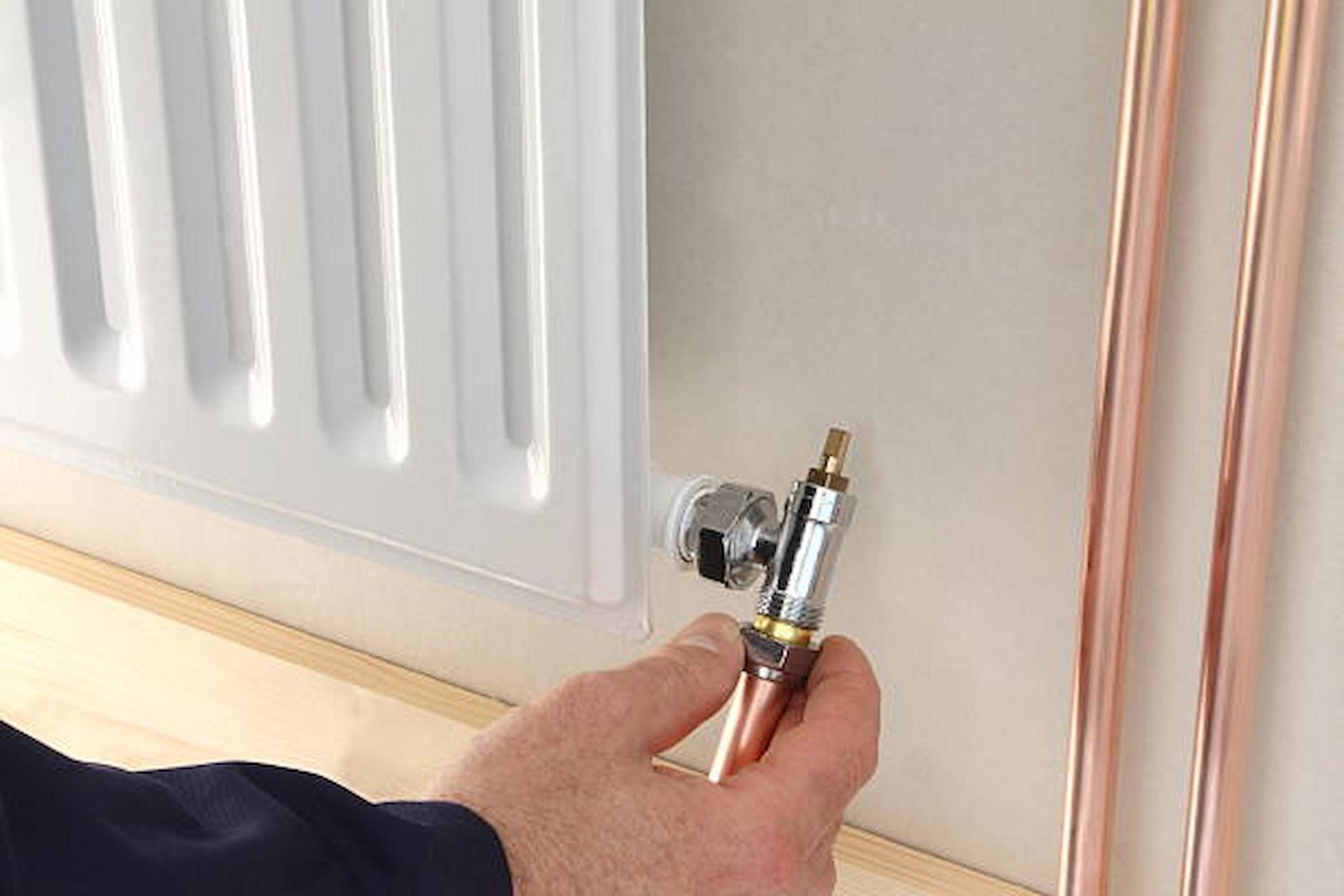
A professional radiator replacement typically takes between two and four hours per unit, depending on complexity. The heating system is drained or isolated, the old radiator is removed, and any necessary pipe alterations are completed. New fixings and brackets are secured to the wall, and the fresh radiator is hung and connected.
Pressure testing follows to check for leaks, and the system is refilled, often with a suitable inhibitor to prevent future corrosion. Air is bled from the radiator and the heating system is brought back up to temperature. A good plumber will also advise on when the system might next need a chemical flush or inhibitor top-up.
Common Mistakes Homeowners Make
Many people attempt to save money by buying the radiator online and asking a plumber to fit only that. While this can work, it sometimes leads to complications if the new radiator has different connection sizes or if hidden pipe issues emerge during the job. Choosing the correct model and size from the start avoids expensive revisits.
Another frequent error is ignoring the overall condition of the boiler and other radiators. Replacing a single unit in a tired system may highlight weaknesses elsewhere. Plumbers often recommend checking the entire circuit, particularly if you notice cold spots or uneven heating across multiple rooms.
Long-Term Value and Efficiency Gains
Investing in both a quality radiator and any necessary pipework upgrades usually pays for itself through better efficiency and fewer repair calls. Modern radiators reach operating temperature more quickly, which can reduce energy consumption if you use thermostatic radiator valves (TRVs) effectively.
Improved aesthetics also matter. A sleek new radiator can transform a room, particularly in period homes where bulky old units dominate the space. When pipes are refreshed at the same time, the finished installation looks cleaner with fewer visible joints or patched areas.
Final Thoughts from the Trade
Plumbers see the same patterns repeated across thousands of homes. The properties that enjoy trouble-free heating for the longest are those where owners address both the visible components and the supporting pipework. A quick visual inspection and honest conversation with your tradesperson before work begins will clarify exactly what your system needs.
If you’re planning a radiator replacement, take time to understand the condition of your central heating system first. Ask direct questions about pipework, flow rates, and future compatibility. The most satisfied customers are those who treat the job as a system upgrade rather than a simple like-for-like swap.
A well-executed radiator replacement, supported by professional advice, delivers immediate comfort and lasting reliability. Whether you’re refreshing one room or tackling several, getting the details right at the planning stage makes all the difference.