Property managers are responsible for keeping buildings safe, secure, and operational at all times. While planned maintenance can be scheduled during business hours, unexpected incidents rarely follow a convenient timetable. One of the most challenging situations is discovering window damage outside normal working hours. Whether caused by vandalism, severe weather, accidents, or attempted break-ins, damaged glazing creates immediate security risks that require a prompt and organised response.
Having a clear action plan in place is essential. In many situations, arranging professional emergency boarding up services can provide a fast and effective way to secure a property until permanent repairs can be completed. Acting quickly helps minimise risks to occupants, protects assets, and reduces the likelihood of further damage.
Why Window Damage Requires Immediate Attention
A broken or compromised window is more than a cosmetic issue. It can expose a property to a range of security and safety concerns.
For commercial premises, damaged glazing may create an easy access point for intruders. Retail units can become vulnerable to theft, while office buildings may face risks involving sensitive information, equipment, or valuable inventory.
Residential properties also face challenges. Broken windows can affect tenant safety, expose homes to adverse weather conditions, and increase the risk of further criminal activity.
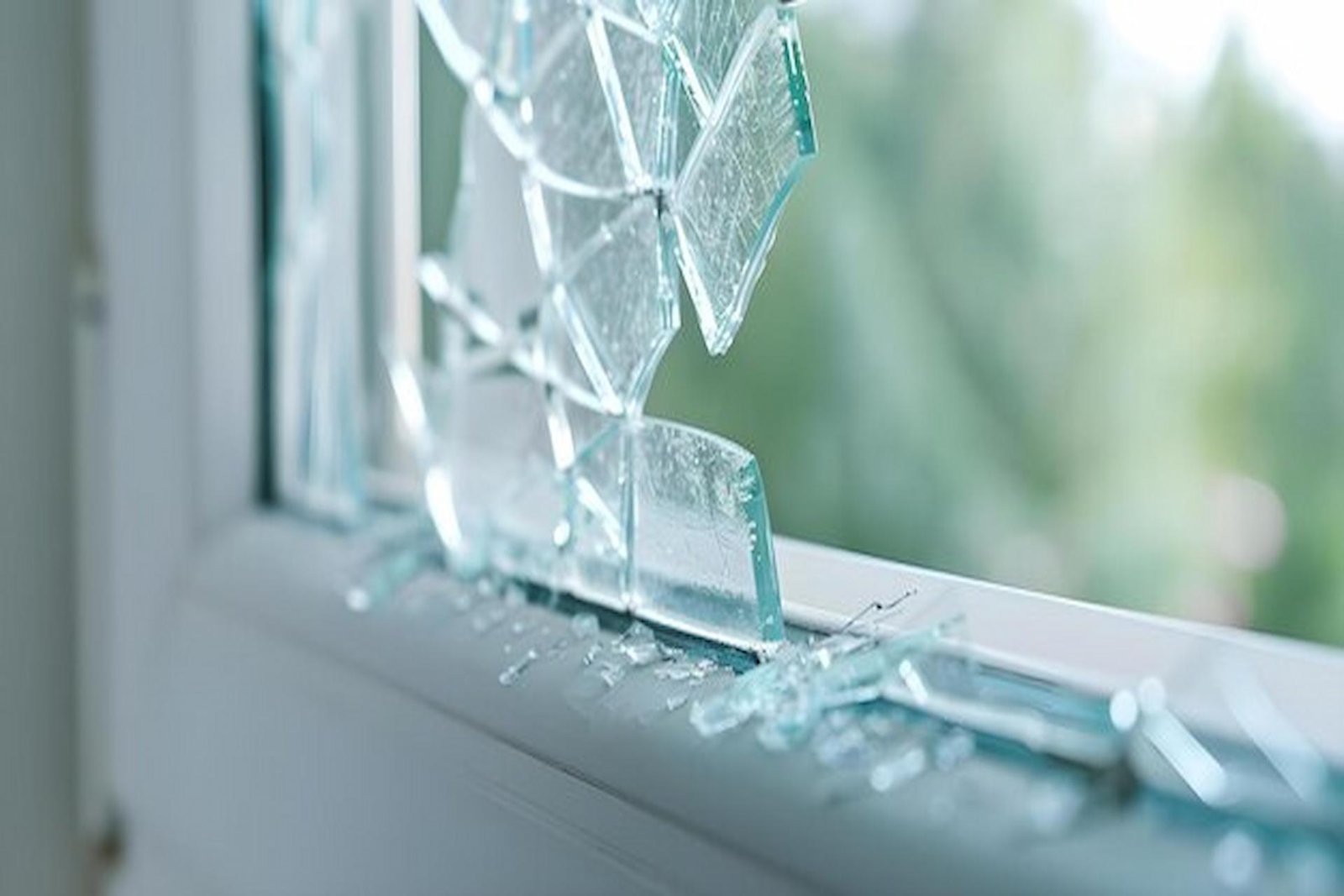
In addition, shattered glass presents a physical hazard. Occupants, visitors, and maintenance staff may be at risk of injury if damaged areas are not properly secured.
Establish a Clear Emergency Response Procedure
Every property management team should have a documented procedure for handling emergency situations outside standard operating hours.
This process should include:
- A dedicated emergency contact system
- A list of approved contractors and suppliers
- Escalation procedures for serious incidents
- Tenant communication protocols
- Security assessment guidelines
When an incident occurs, staff should know exactly who to contact and what actions need to be taken. A structured approach reduces confusion and helps ensure a faster response.
Assess the Situation Safely
Before any action is taken, it is important to assess the extent of the damage.
If possible, gather information from security personnel, tenants, CCTV systems, or local authorities. Determine:
- The location of the damage
- The size and severity of the breakage
- Whether entry has been gained to the property
- Any immediate safety hazards
- The potential need for emergency services
Safety should remain the priority. Staff should avoid handling broken glass or entering potentially unsafe areas without appropriate precautions.
Secure the Property as Quickly as Possible
The primary objective following window damage is preventing unauthorised access.
Temporary security measures can significantly reduce risks until permanent repairs are completed. Professional boarding services are commonly used because they provide a strong physical barrier while protecting the interior of the building from weather and further damage.
Additional security measures may include:
- Increasing security patrols
- Activating temporary alarms
- Installing temporary lighting
- Restricting access to affected areas
- Monitoring CCTV feeds more closely
The faster a property is secured, the lower the likelihood of additional incidents occurring.
Communicate With Occupants and Stakeholders
Clear communication plays a vital role during any property emergency.
Tenants, building occupants, and relevant stakeholders should be informed about the situation as soon as practical. Even when there is no immediate danger, people appreciate knowing that the issue has been identified and is being addressed.
Effective communication should include:
- A brief explanation of the incident
- Any temporary access restrictions
- Expected repair timelines
- Emergency contact information
- Safety instructions where necessary
Transparency helps maintain trust and reduces unnecessary concern among occupants.
Document Everything Thoroughly
Accurate documentation is essential for insurance claims, maintenance records, and potential legal matters.
Property managers should record:
- The date and time of the incident
- Photographs of the damage
- Witness statements where available
- Security reports
- Contractor invoices
- Repair estimates
Detailed records help demonstrate that reasonable steps were taken to secure the property and manage the incident appropriately.
Coordinate Permanent Repairs Promptly
While temporary security measures provide immediate protection, permanent repairs should be arranged as quickly as possible.
Delaying repairs can create ongoing risks and may negatively affect tenant satisfaction. Working with reliable glazing specialists helps ensure that replacement glass meets relevant safety standards and matches the property’s existing appearance and performance requirements.
Property managers should also verify whether any underlying issues contributed to the damage. For example, recurring vandalism may indicate a need for improved lighting, additional security measures, or changes to access control systems.
Review and Improve Security Measures
Every incident presents an opportunity to strengthen future preparedness.
After the situation has been resolved, conduct a review of the response process. Consider:
- How quickly the issue was reported
- Whether contractors responded effectively
- Any communication challenges encountered
- Opportunities to improve security protocols
- Lessons learned for future incidents
Regular reviews help refine emergency procedures and ensure a more effective response in the future.
Conclusion
Out-of-hours window damage can quickly become a serious security concern if not addressed promptly. Property managers who have clear procedures, trusted contractors, and effective communication plans in place are better positioned to protect both people and property when unexpected incidents occur.
By responding quickly, securing vulnerable areas, documenting the situation thoroughly, and arranging timely repairs, property managers can minimise disruption and reduce risk. A proactive approach not only safeguards the building itself but also reinforces confidence among tenants, occupants, and stakeholders who depend on a safe and secure environment. Emergency Boarding Up